
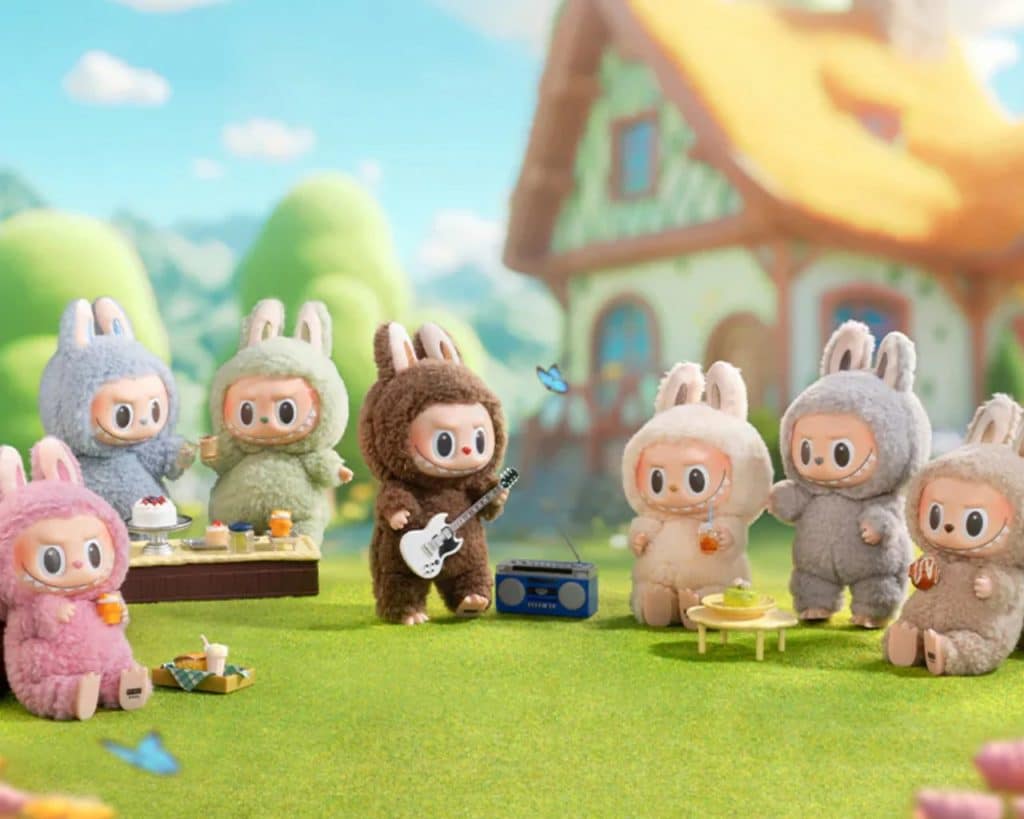


Whether you find them adorable, odd, or downright bizarre, chances are you’ve come across Labubu—the quirky, furry elf dolls that have become a global craze.
Labubu, created by Hong Kong-born artist Kasing Lung, is a mischievous character from “The Monsters” series and the breakout star of Chinese toy company Pop Mart. Originally depicted as a chaotic but well-meaning little monster, Labubu’s rise to fame has helped transform Pop Mart into China’s most valuable toy company, with a market cap approaching $40 billion—more than double that of U.S. giants Hasbro and Mattel combined.
The dolls have earned a cult following from celebrities like Rihanna, Dua Lipa, Kim Kardashian, and Blackpink’s Lisa. But it’s not just pop stars fueling the hype—long lines of eager fans, stretching from Shanghai to London, have sparked headlines and even occasional scuffles.
“You feel a real sense of accomplishment when you finally get one, especially with so many people trying,” says Fiona Zhang, a devoted collector.
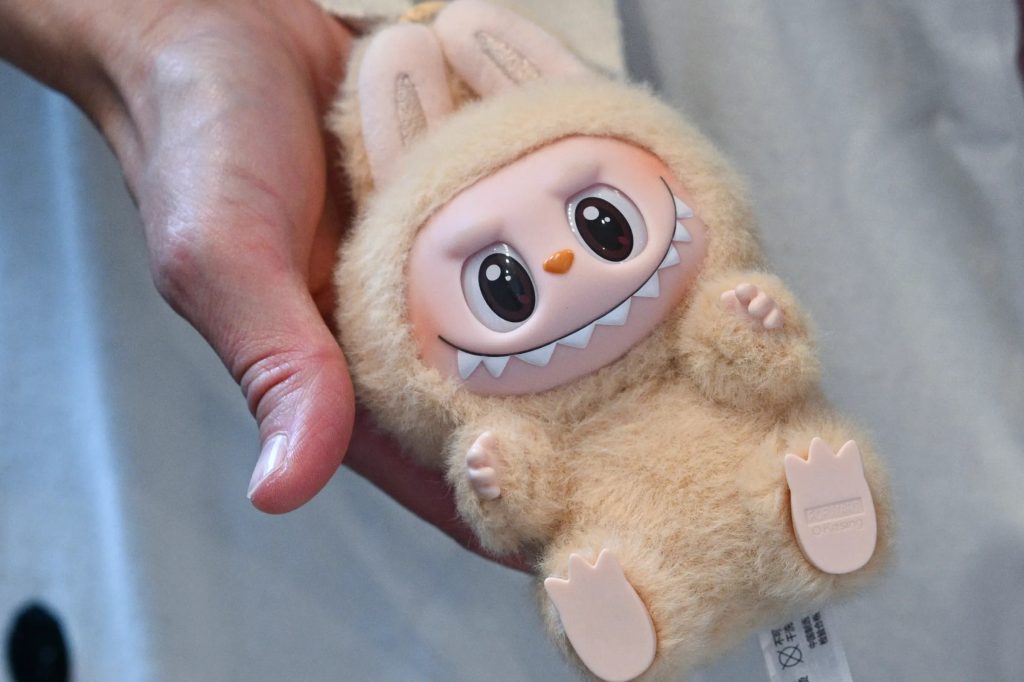
Labubu is both a fictional character and a brand, its name not meaning anything specific. With pointy ears, oversized eyes, and a signature toothy grin, the character walks the fine line between endearing and unsettling. The plush-bodied, vinyl-faced dolls are sold in collectible series with names like Big Into Energy, Exciting Macaron, and Fall in Wild.
The wider Labubu universe includes other characters like Zimomo, the tribe leader; her boyfriend Tycoco; and friend Mokoko. While casual observers might struggle to tell them apart, fans treat each with devotion—and demand extends well beyond Labubu alone.
Pop Mart, founded in 2010 by entrepreneur Wang Ning, began as a simple variety store in Beijing. But its fortunes changed in 2016 with the launch of blind boxes—sealed packages concealing the identity of the toy inside. The concept took off with Molly dolls by artist Kenny Wong and skyrocketed with the addition of Labubu in 2019, following a licensing deal with Kasing Lung.
In December 2020, Pop Mart went public on the Hong Kong Stock Exchange. Since then, its shares have surged over 500%, fueled by demand for Labubu and its siblings. Today, Pop Mart operates over 2,000 vending machines (dubbed “roboshops”) and sells in more than 30 countries, including the U.S., U.K., Australia, and Singapore. In 2024, overseas sales made up nearly 40% of its revenue.
Demand is so intense that customs officials in China recently seized over 70,000 counterfeit Labubu dolls.
Labubu’s fame was initially confined to China. But as the country emerged from pandemic restrictions in late 2022, the toy’s quirky charm resonated with consumers craving emotional escape. “Labubu represents a kind of anti-perfectionism,” explains Ashley Dudarenok, founder of China-focused firm ChoZan.
Like many viral sensations, Labubu’s success defies easy explanation. It’s a mix of timing, emotional resonance, celebrity influence, and digital buzz.
But Chinese officials are embracing the phenomenon. State news agency Xinhua praised Labubu as a symbol of “cool China,” showcasing Chinese creativity and cultural influence. It listed Labubu alongside other cultural exports like the Nezha animated film and the Black Myth: Wukong video game.
Chris Pereira, CEO of consulting firm iMpact, says Labubu exemplifies a rising trend: “They’re so good, no one cares they’re from China. You can’t ignore them.”
Pop Mart (9992.HK, PMRTY) shares fell in Hong Kong after Chinese state media called for stricter oversight of blind-box toys and trading cards, sparking investor concerns about the company’s outlook.
The Beijing-based toy maker, known for its wildly popular Labubu elf dolls, has seen its market capitalization soar to nearly $40 billion—double that of Hasbro (HAS) and Mattel (MAT) combined. But the recent commentary in the People’s Daily, the official newspaper of the Chinese Communist Party, has cast a shadow.
Though Pop Mart wasn’t mentioned directly, the article cited legal experts urging tighter regulation of “blind cards” and “mystery boxes,” warning that some models may encourage excessive spending by minors. Pop Mart’s signature blind-box approach keeps customers guessing which character they’ll get until the package is opened.
Bloomberg reports the news rattled traders who have driven Pop Mart’s stock up nearly 170% this year amid a frenzy for its distinctive monster figures.
“The commentary has weighed on investor sentiment, flashing some overheating signs in its business,” said Steven Leung, executive director at UOB Kay Hian Hong Kong Ltd. “Still, it’s a mild reminder as it didn’t come directly from a government official.”

 Pump Radar
 Stock Alerts